Chicago Bankruptcy Ruling Follows Majority View on Automatic Stay for Repeat Filers
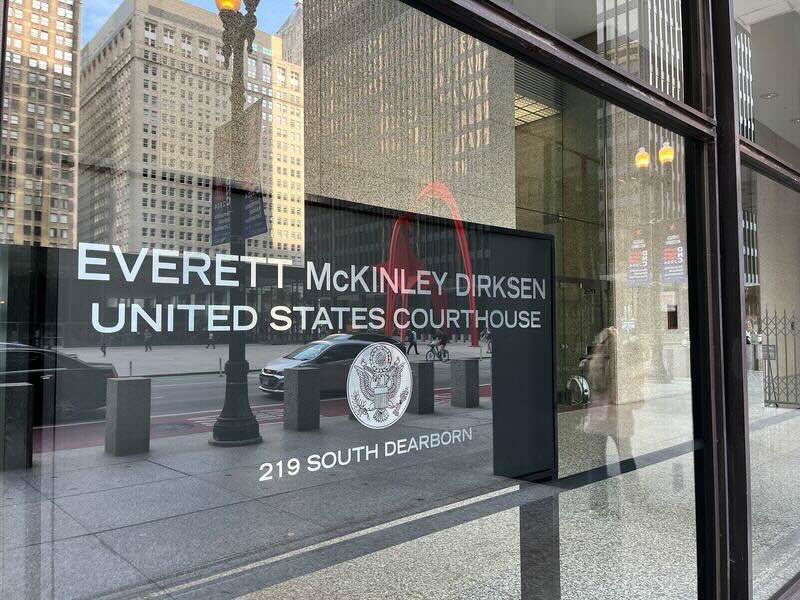
Table of content
A recent federal court decision in Chicago has provided important guidance on the scope of automatic stay protection when a debtor files for bankruptcy for a second time within one year.
In Wade v. Kreisler, District Judge Steven C. Seeger of the U.S. District Court for the Northern District of Illinois examined the meaning of Section 362(c)(3)(A) of the Bankruptcy Code. The provision limits the automatic stay in certain repeat bankruptcy cases, but courts have disagreed about how broadly that limitation should apply.
Judge Seeger ultimately adopted the majority interpretation. Under this approach, the automatic stay generally terminates as to the debtor and the debtor’s personal property after the applicable period expires. Protection may nevertheless continue for property belonging to the bankruptcy estate.
The decision is particularly relevant for people considering a second Chapter 13 filing after an earlier case has been dismissed.
Why repeat bankruptcy filings receive limited protection
The automatic stay generally takes effect when a bankruptcy petition is filed. It can temporarily prevent many collection activities, including lawsuits, wage garnishments, repossessions and certain foreclosure actions. Its purpose is to give the debtor time to organize their financial affairs while ensuring that creditors are treated through the bankruptcy process rather than through individual collection efforts.
Congress has placed additional restrictions on the automatic stay when a debtor files bankruptcy repeatedly within a short period. These restrictions are intended to prevent abusive filings designed solely to delay collection activity without a genuine intention to complete the bankruptcy process.
When a debtor files a second case within one year after a previous case was dismissed, the automatic stay generally remains in effect for only 30 days. The debtor may ask the court to extend the protection, but the request must be made promptly and the debtor must establish that the later filing was made in good faith.
The facts behind Wade v. Kreisler
The case involved a married couple who had previously filed for Chapter 13 bankruptcy and later voluntarily dismissed the case. Two months after the dismissal, they filed a second Chapter 13 petition.
The couple requested an extension of the automatic stay. However, scheduling difficulties prevented the court from hearing the motion before the 30-day period expired.
After the deadline had passed, an attorney acting on behalf of a creditor obtained a default judgment. The judgment was subsequently recorded as a lien against the couple’s home. The debtors argued that these actions violated the automatic stay and sought sanctions against the attorney.
The dispute ultimately required Judge Seeger to examine how Section 362(c)(3)(A) should be interpreted in the absence of controlling precedent from the Seventh Circuit.
The disagreement over Section 362(c)(3)(A)
The central issue was the meaning of the statutory phrase “with respect to the debtor.” Courts have developed several interpretations of this language.
Under one interpretation, the automatic stay ends only as to actions taken directly against the debtor. A broader approach provides that the stay ends as to the debtor and the debtor’s personal property, while continuing to protect property that belongs to the bankruptcy estate.
Other courts have concluded that the stay terminates entirely after the 30-day period. This interpretation would allow creditors to proceed against the debtor, the debtor’s property and property held by the bankruptcy estate unless another form of protection applies.
The First and Fifth Circuits have reached different conclusions on the issue. The First Circuit has adopted the broader interpretation in which the stay expires altogether, while the Fifth Circuit has held that estate property may remain protected.
This disagreement has created uncertainty for debtors and creditors, particularly in jurisdictions where the relevant appellate court has not yet established a definitive rule.
Judge Seeger adopts the majority view
Judge Seeger described Section 362(c)(3)(A) as difficult to interpret and reviewed the competing approaches in detail. He noted that none of the available interpretations resolved every textual and practical concern.
Nevertheless, he concluded that the majority approach was the most persuasive. Under that interpretation, the automatic stay ends with respect to the debtor and the debtor’s property, but it remains in place for property belonging to the bankruptcy estate.
The distinction is significant. Once a bankruptcy case begins, certain assets become part of the bankruptcy estate and may be administered for the benefit of creditors. Continuing protection for estate property prevents individual creditors from obtaining an advantage over other creditors while the bankruptcy process is ongoing.
Judge Seeger also rejected the so-called “spousal exclusion” theory. That approach would have treated the statutory language as creating a special exception when spouses file bankruptcy together. In the court’s view, that interpretation was difficult to reconcile with the structure of the Bankruptcy Code and with the way the law addresses repeat filings more generally.
The decision does not restore full automatic stay protection
The ruling does not mean that a repeat filer receives the same protection as someone filing a first bankruptcy case. It also does not prevent creditors from asking the court for relief from the stay or pursuing actions involving property that is not protected.
Instead, the decision clarifies how one federal court understands the scope of the automatic stay after the 30-day period in a repeat filing. The result in any individual case may depend on the debtor’s filing history, the reason an earlier case was dismissed, the property involved and the existence of prior court orders.
A debtor who files a second bankruptcy case within one year should not assume that the automatic stay will remain fully effective without further action. The request to extend the stay must be handled within the required time, and the court may require evidence demonstrating that the new case was filed in good faith.
What this means for people considering a second filing
A repeat bankruptcy filing requires careful preparation before the petition is submitted. The debtor’s previous cases, dismissal history, income, expenses, assets and current creditor activity may all affect the available protections.
This review is particularly important when a home is subject to foreclosure, a vehicle is at risk of repossession or wages are being garnished. The timing of a filing may also matter, especially when a creditor has already obtained a judgment or taken steps to enforce its rights.
At DebtStoppers, our bankruptcy attorneys assess the full circumstances surrounding a potential filing. This includes reviewing prior bankruptcy cases, the reasons they ended, the debtor’s current financial position and the actions being taken by creditors. The purpose of this analysis is to identify the legal protections that may be available and the procedural issues that must be addressed before moving forward.
A new bankruptcy filing may provide important relief in some circumstances, but it does not automatically eliminate every collection action or guarantee that the automatic stay will continue without limitation. The facts of the case, the applicable law and the court’s decisions all play a role.
A careful legal review is essential
The decision in Wade v. Kreisler highlights the risks associated with filing bankruptcy repeatedly within a short period. It also demonstrates why the automatic stay should not be treated as an automatic or unlimited safeguard.
Anyone considering a second bankruptcy filing should obtain a case-specific legal assessment before submitting a petition. A qualified attorney can examine the previous case, identify relevant deadlines, evaluate property and creditor issues and determine whether a request to extend the automatic stay may be necessary.
DebtStoppers helps individuals in financial distress understand their bankruptcy and debt-relief options. Our attorneys approach each case by reviewing the underlying facts, explaining the relevant legal framework and identifying the next steps that may be available under the circumstances.
This article provides general information and does not constitute legal advice. Bankruptcy rules, court procedures and the application of the automatic stay may vary depending on the jurisdiction and the facts of the case.